

Restoration of industrial conifer plantations to recover ecosystem integrity
Project Title: Restoration of industrial conifer plantations to recover ecosystem integrity
Recipient: Malcolm Knapp Research Forest, University of British Columbia
Region: Cariboo and Mainland/Southwest
Theme(s): “Old-like in a new light”, “Thin it to win it”
Awarded Amount: $50,000
Project period: 2025-2027
Description: This project addresses restoration treatments in monotypic conifer plantations that are suffering from underperformance, low biodiversity, low carbon stocks, drought stress, and elevated fire risk. This project will complete post treatment assessments for two established field experiments in the Malcolm Knapp and Alex Fraser UBC research forests in 2023, where a range of novel variable thinning treatments were applied, where weaker trees were thinned from below, while protecting larger trees at different densities and patterns. These novel silviculture treatments will address a rapidly developing climate crisis in young planted forests and will provide early critical information on how to mitigate the losses while restoring carbon sinks, biodiversity, old-growth structure, and resilience.
Halfway Report:
The following is based on halfway reporting by the grantee.
March 26, 2026
This project tells the story of two very different types of Douglas-fir forests – coastal and interior. While they face different challenges, they share common goals: improving stand vigor, increasing biodiversity, enhancing carbon storage over time and supporting local timber supply. Along the way, the work has also given us a chance to test a range of harvesting systems and and technologies that aren’t typically used in these management areas.
At the Malcolm Knapp Research Forest (South Coast), the focus in 2025 -2026 was on post-harvest field evaluations following retention harvesting carried out in winter 2024. More than 30 hectares of 50-60-year-old coastal Douglas-fir stands—located in the Coastal Western Hemlock (dry maritime) zone – were treated in winter 2024 using two retention levels: 10% and 30% (based on basal area). These stands had previously been commercially thinned in the early 2000s, so the goal this time was to retain vigorous, windfirm Douglas-fir, encourage more diverse forest structure, and support the future development of larger-diameter timber in the future. A mix of conventional whole-tree harvesting and cut-to-length systems was used across the treatment areas. The study is looking closely at how these approaches compare in terms of productivity, costs, soil disturbance, and damage to the remaining stand.
In spring 2025, SIP funding supported follow-up work on carbon and biodiversity. This included measuring both above- and below-ground carbon stocks, as well as plant diversity – shrubs, herbs, and bryophytes. The fieldwork was done in partnership with Katzie First Nation Guardians and students from UBC’s Mother Tree Research Lab. Over eight days, teams carried out detailed assessments using National Forest Inventory methods. The research team is also developing a research paper comparing harvest systems – specifically cut-to-length (harvester and forwarder) versus conventional coastal whole-tree methods (feller buncher, hoe-chucker, processor) – to better understand differences in cost, efficiency, and ecological impact (soils and retention tree damage), especially under higher retention levels.
At the Alex Fraser Research Forest (Cariboo), operations took place in fall and winter 2025 across 28 hectares. These treatment areas are within the Interior Douglas-fir (dry cool) zone and overlap with mule deer winter range, which required maintaining enough post-harvest basal area to provide adequate snow interception. Management objectives here included reducing stagnation in stand development, improving the vigor of veteran trees, lowering fuel loads, and harvesting commercial timber. To balance these goals in a structurally complex stand, two silvicultural approaches were used: clumpy single-tree selection and thinning from below. Another key part of the project was testing how smaller-scale equipment performs in integrated thinning and fuel treatment operations in the central interior of BC.
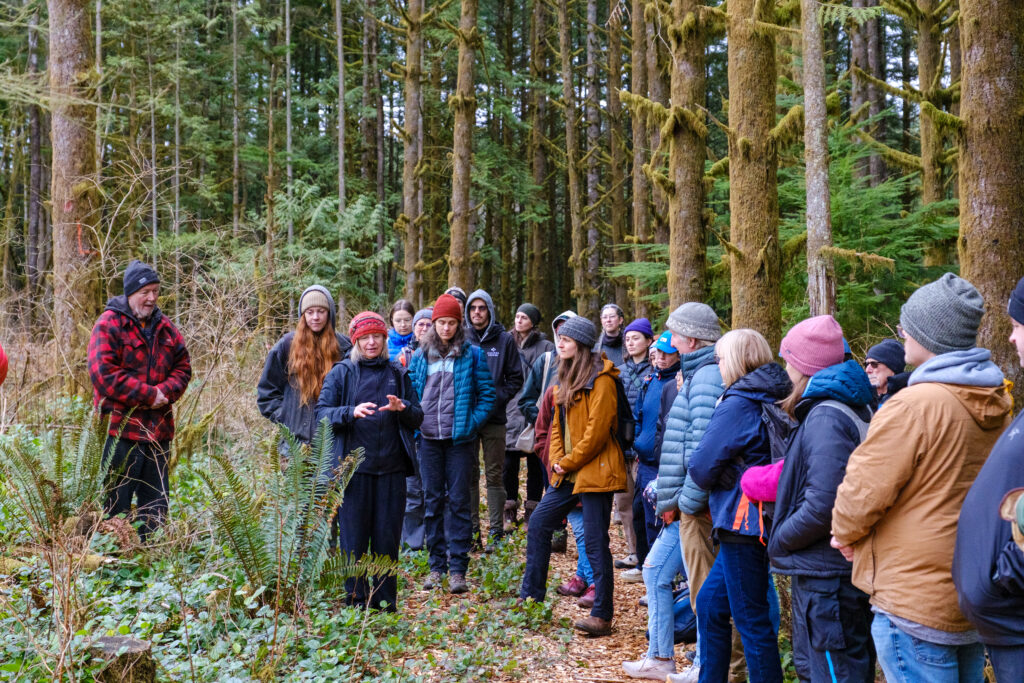
Throughout the project, both research forests hosted a number of field tours, giving people the opportunity to see the harvesting operations, post-treatment conditions, and everything in between. At Malcolm Knapp, a series of interpretive signs and handout under the newly branded theme “Not-So-Clear-Cut” have also been developed and will soon be installed along nearby hiking trails, helping visitors better understand the treatments and their objectives.
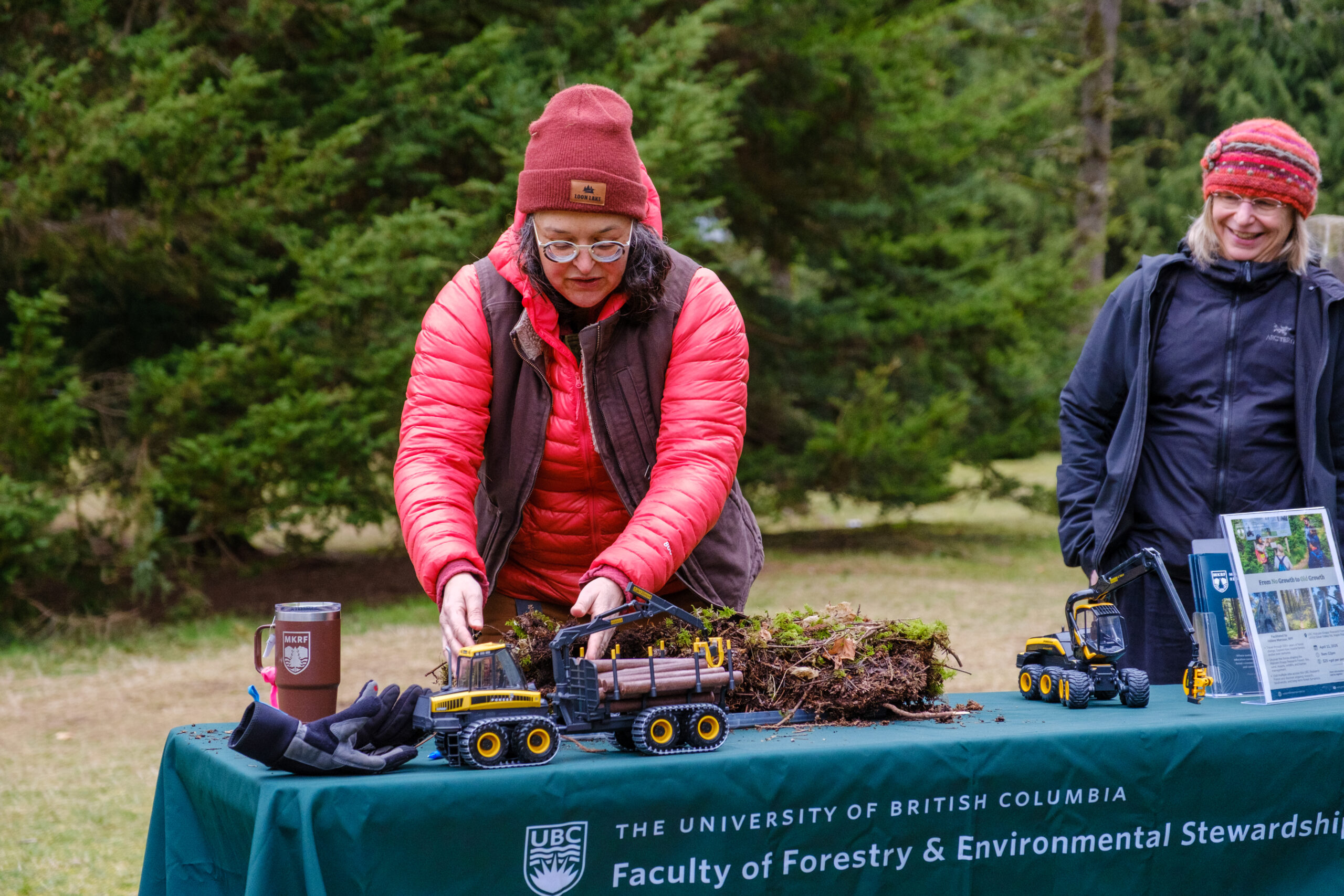
Photo: Hélène Marcoux giving a demo of harvester/forwarder equipment to a public tour held on Feb 21, 2026 in Maple Ridge. Credit: Alley Penders.
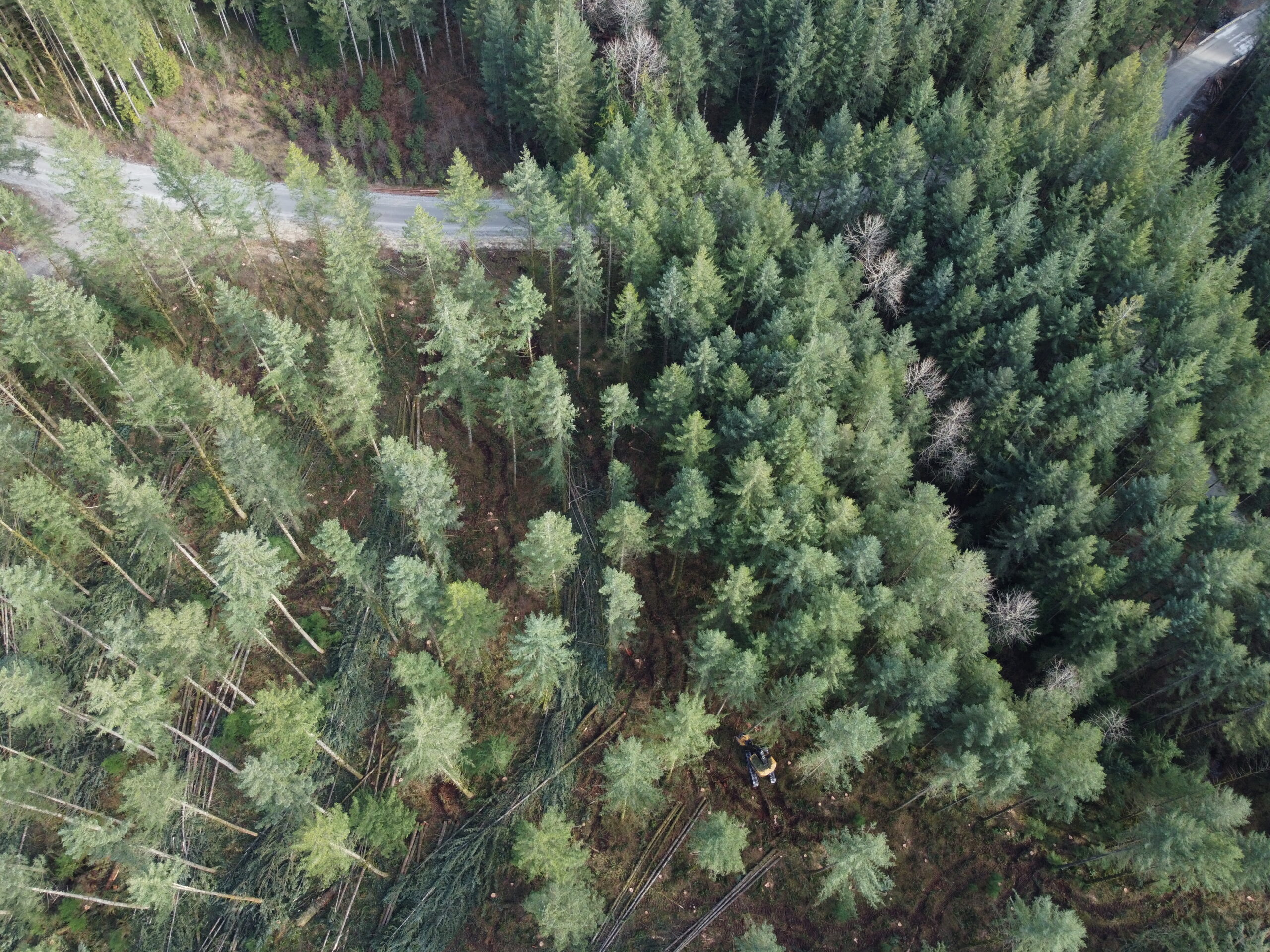 Photo: Drone photo of 30% retention side by side with unharvested “control”. Credit: Sergio Alonso.
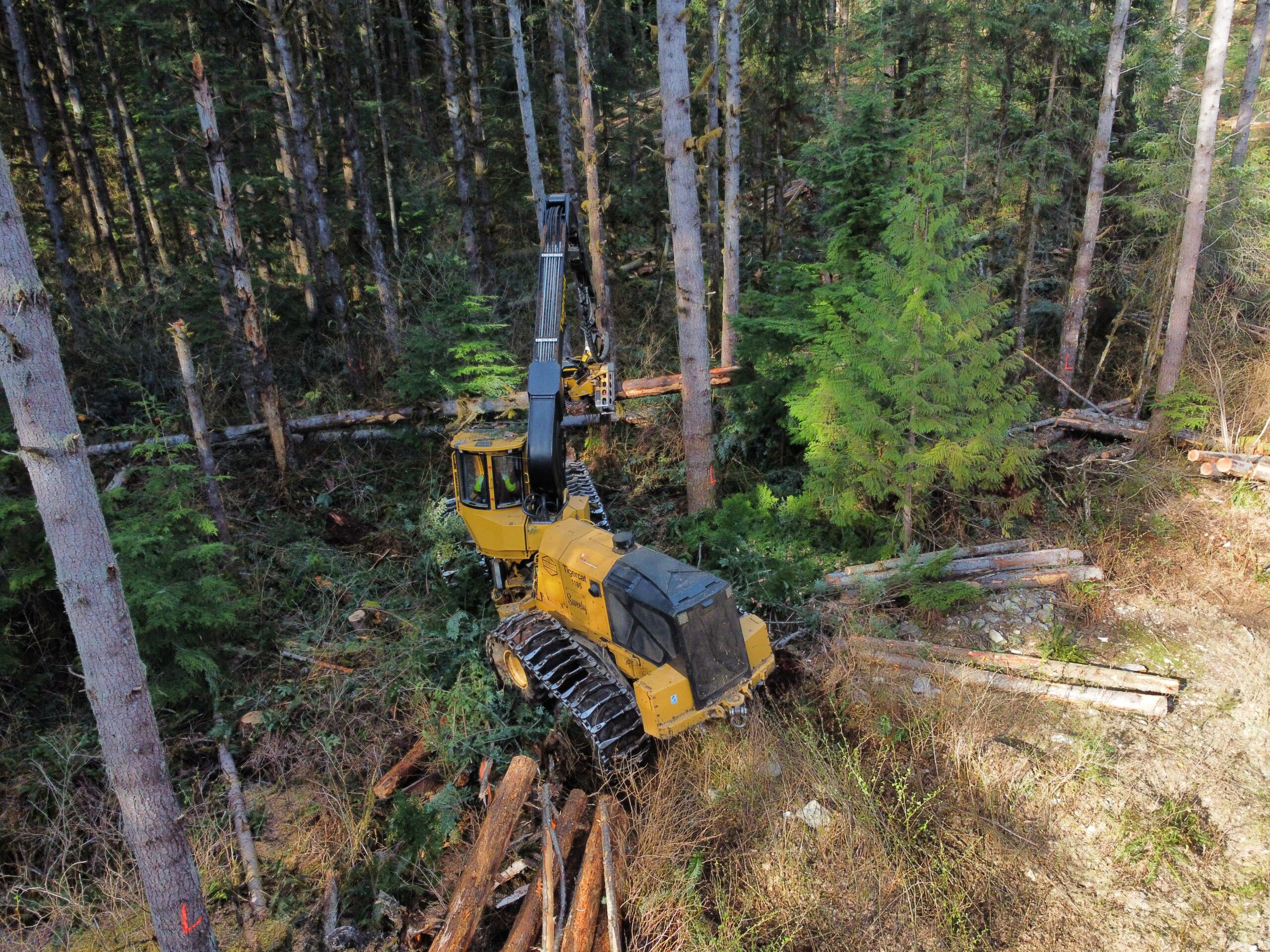
Photo: Harvester operating in a 30% retention cutblock at the MKRF. You can see “L” markings on the tree – meaning “Leave Trees”. Credit: Omar Mologni.
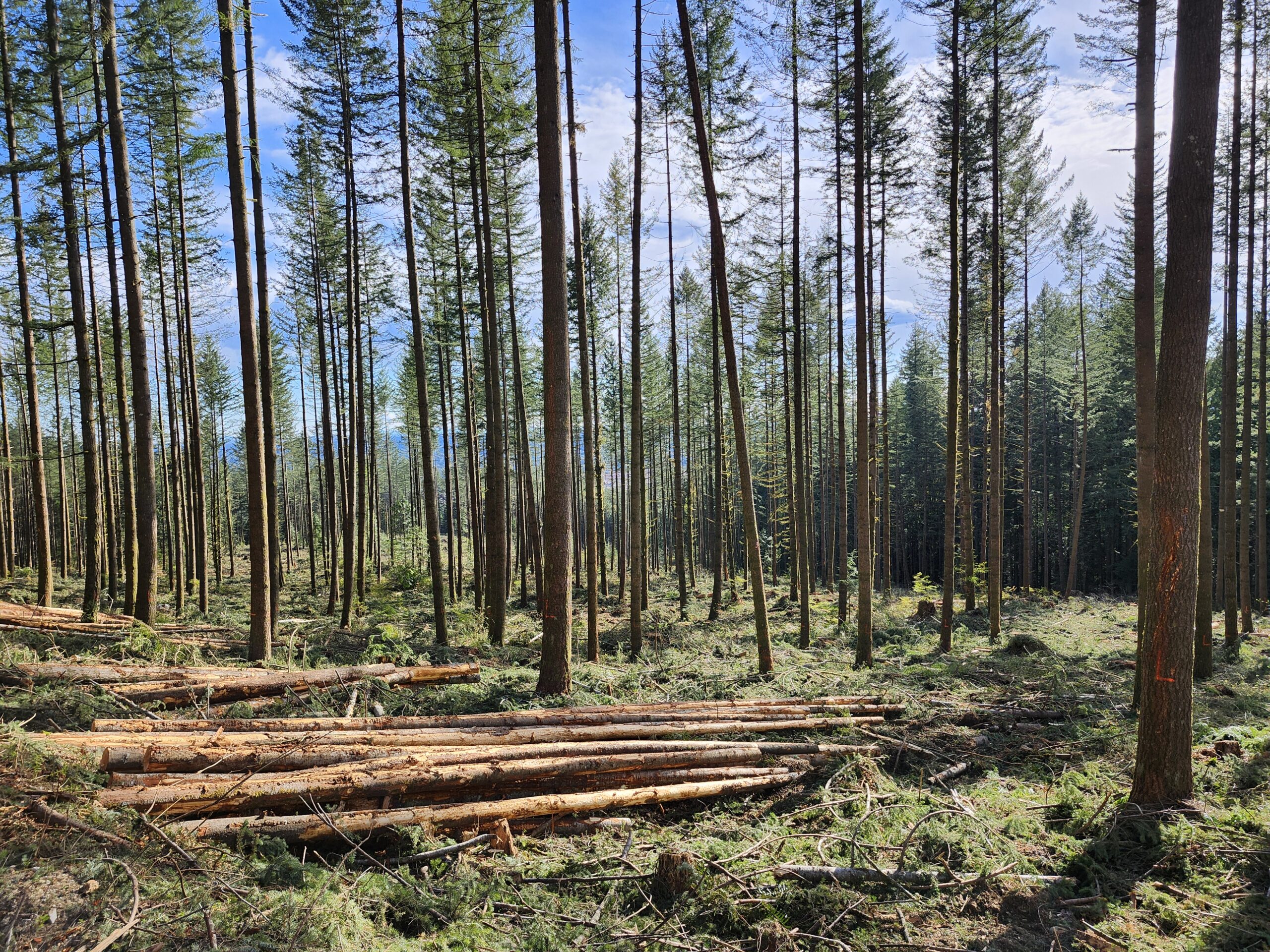
Photo: Post-harvest 30% retention cutblock at the MKRF. Credit: Omar Mologni.
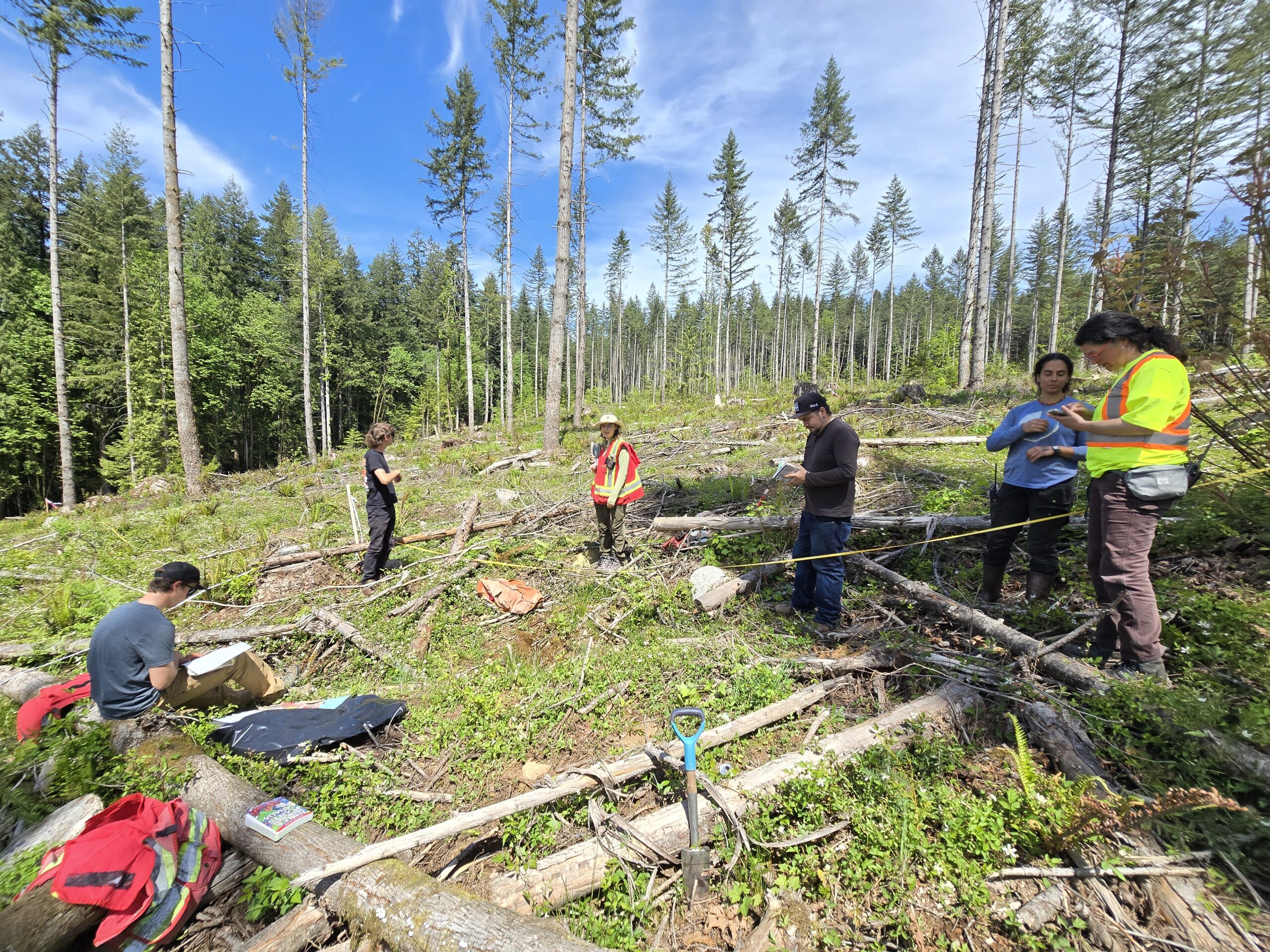
Photo: Katzie First Nation Guardians working with UBC Mother Tree field crew on post-harvest plots in a 10% (low) retention cutblock one season after the harvest. Credit: Sarah Panagiotou.
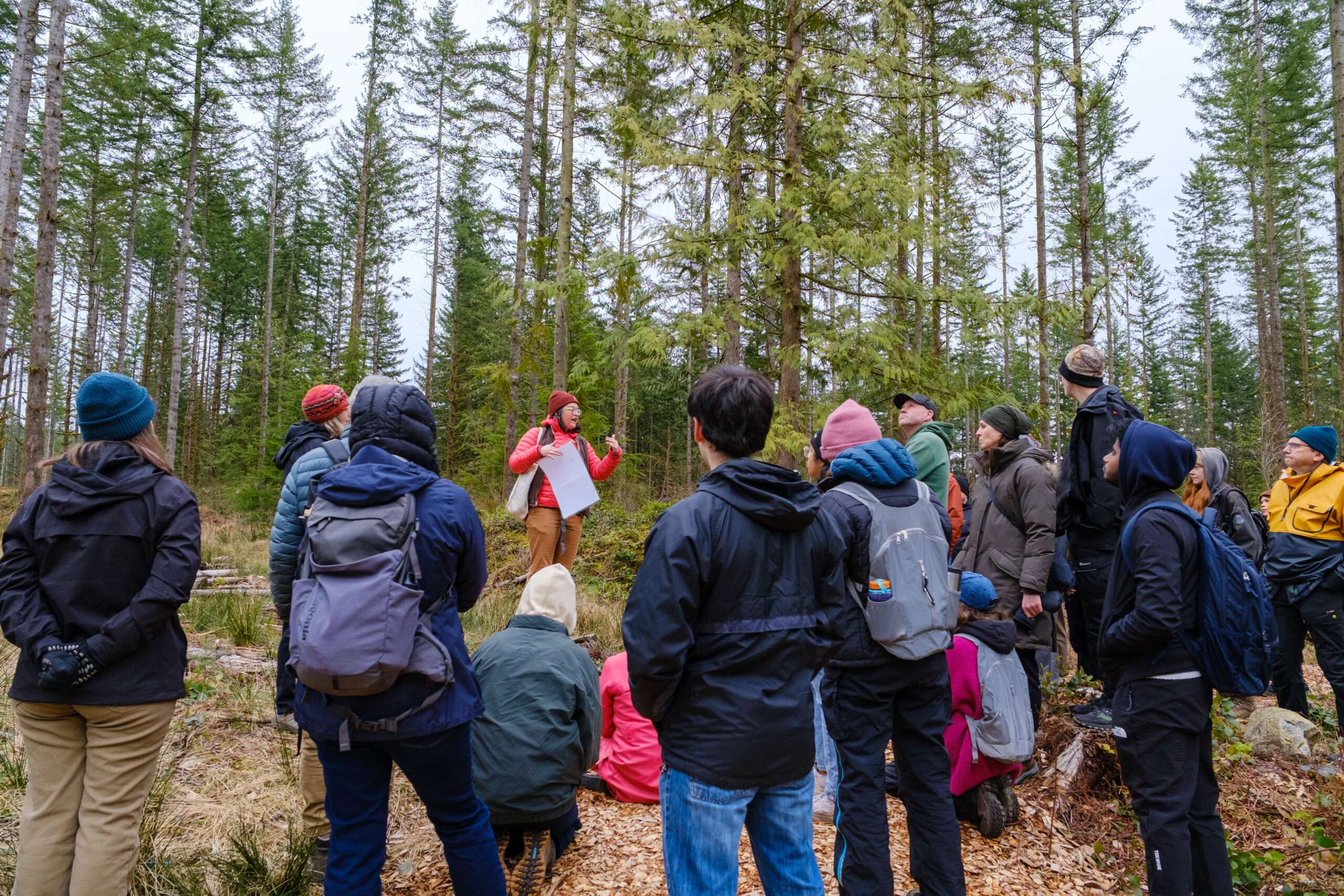
Photo: Hélène Marcoux speaking to public tour held on Feb 21, 2026. Credit: Ally Penders.
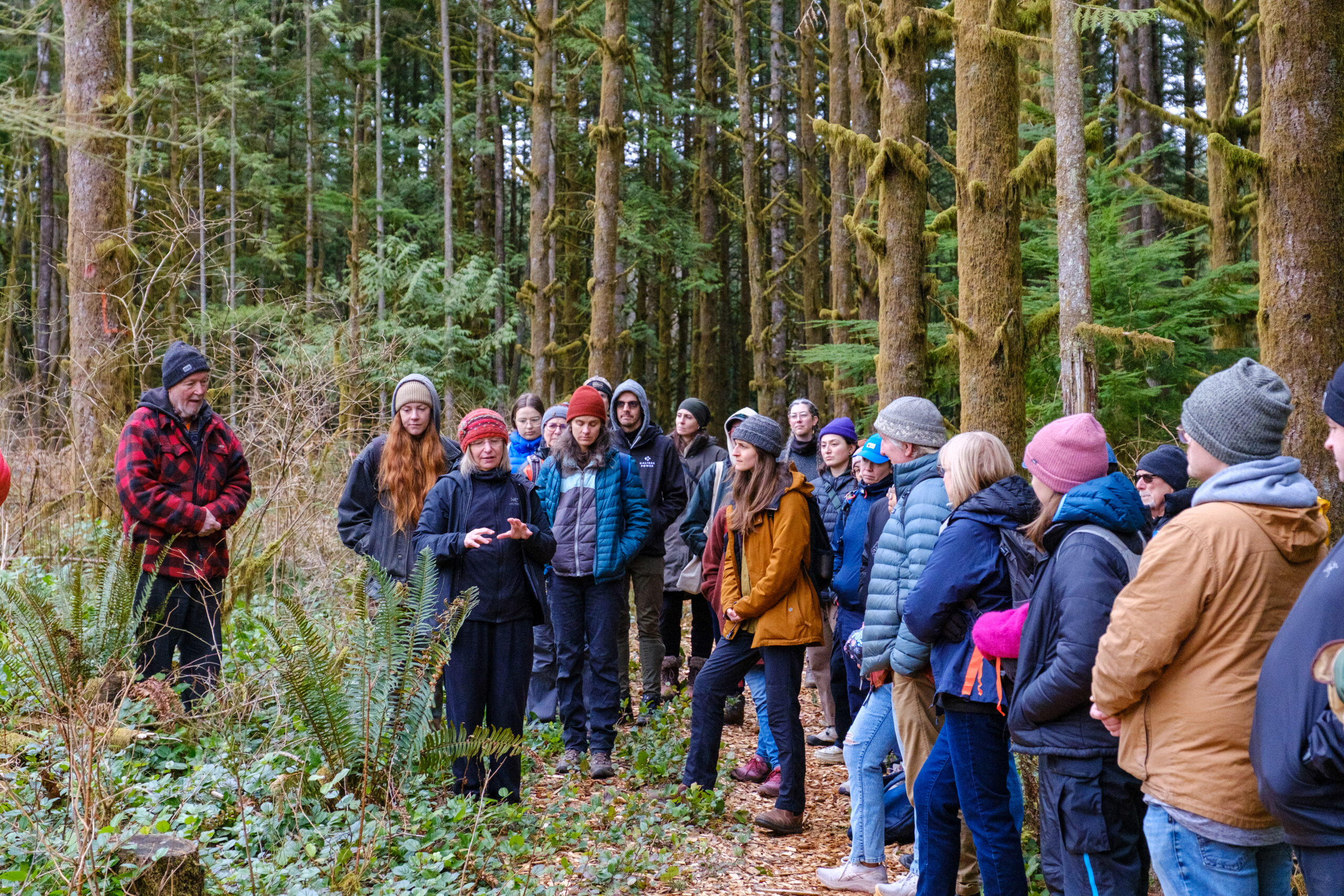
Photo: Dr. Suzanne Simard speaking to the Not-So-Clear-Cut public tour held on Feb 21, 2026. Credit: Ally Penders.
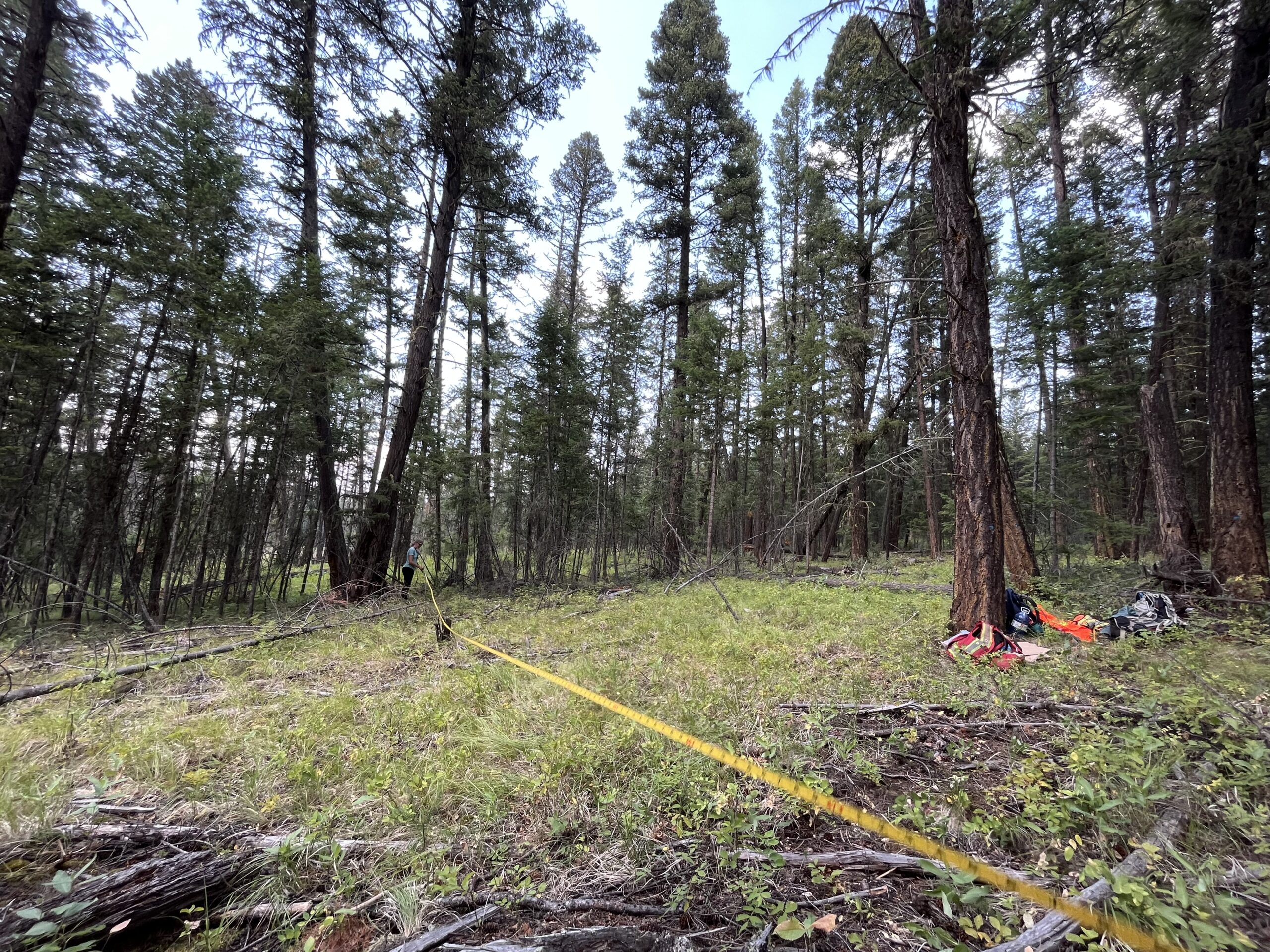
Photo: Field crew conducting National Forest Inventory plots at the Alex Fraser Research Forest pre-harvest. Credit: Ari Murphy-Steed & Alyssa Robinson.