

Silviculture Systems Workshop: The Good, the Bad and the Ugly. What is the alternative?
Grant Summary:
Project Title: Silviculture Systems Workshop: The Good, the Bad and the Ugly. What is the alternative?
Recipient: Woodlots BC
Regions: Thompson/Okanagan & Kootenay
Awarded Amount: $15,000
Project Period: 2025-2026
Description: The project is a workshop held in conjunction with the 2025 Woodlot Conference. It involves a field site visit to a woodlot that showcases stand management for multiple values over 40 years, followed by a facilitator-led indoor workshop to discuss alternate silviculture systems, where we are headed and how to get there, recognizing that a “one-size fits all approach” will not work. Participants will review observations from the field trip and brainstorm ideas and strategies to promoting alternate silviculture systems, with the intent to produce a written report and a series of recommendations.
Final Report:
The following is based on halfway reporting by the grantee.
March 31, 2026
Project overview
A key highlight of the 2025 Woodlots BC Conference held in the Spirit Lodge located on the traditional lands of the Osoyoos Indian Band was the Silviculture Innovation Program (SIP) workshop held in conjunction with the main event.
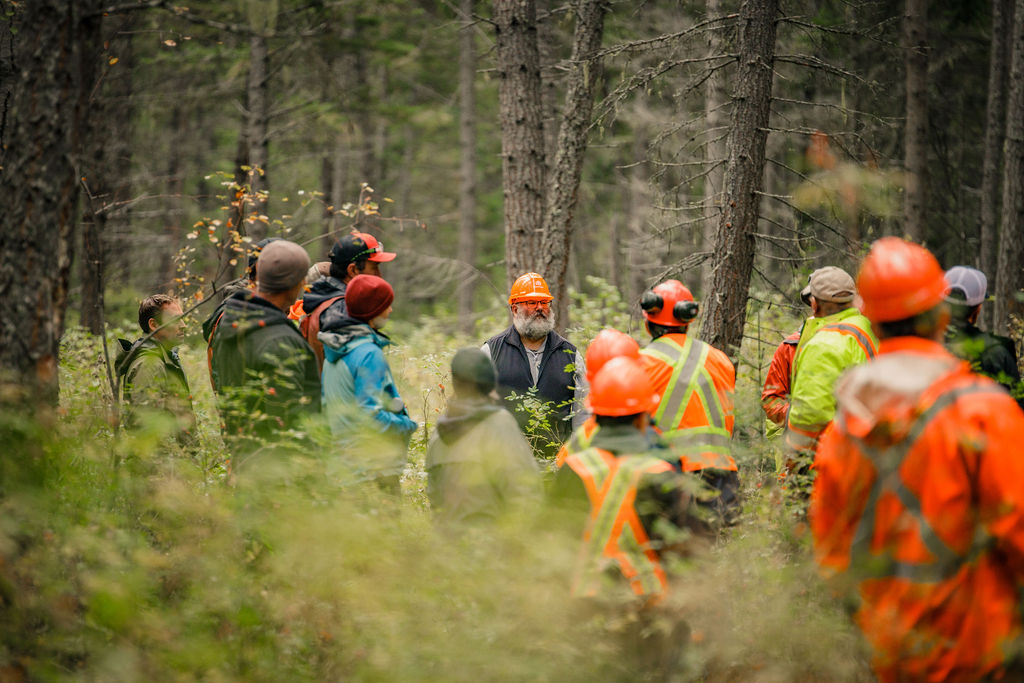
We started the workshop with 75 delegates heading out on a field day trip to Woodlot 0411 witnessing first hand the results of forty years of passionate stand management for multiple values by woodlot licence holder, George Delisle. We invited the forestry 11/12 class from the local school to join us for a walk in the woods and to learn from expert professionals and resource managers. A second field tour took the remaining delegates to several local projects and businesses locally connected to forestry and the Osoyoos Indian Band.The two Immersive field tour experience set the stage for the continuation of the workshop at the indoor sessions the following day.
While originally planned to address the topic of Silviculture Systems, due to the success of the conference and the number of delegates, the professionally facilitated workshop evolved into knowledge sharing on 2 additional topics of relevance to woodlot licensees. The three topics discussed were Silviculture Systems: Forest regeneration and sustainable timber harvesting while maintaining ecological balance; Public Use of Crown Woodlot Land: Firewood, recreation, resource access on woodlots; Customers and Community Relations: Strong relations ensure forestry practices meet public interests and support sustainable stewardship.
With 150 participants, the workshop organized nine small breakout groups to explore the key topics through the lens of the Good: Current Successes; the Bad & Ugly: Challenges and Failures; and Alternatives: New Directions needed. The focus was on a group engagement and summary creation process culminating with presentations and knowledge sharing to the larger audience. Each group was asked to: develop a structured dialogue process to maintain organized conversations that covered all key points systematically; encourage Equal Participation to ensure contributions promoted diverse perspectives and balanced dialogue and determine an Application of Criteria where they could analyze the topic thoroughly and reach informed conclusions. For the knowledge sharing to the larger audience, each group was scheduled a time for: a Clear Topic Presentation where they communicated topic and analysis clearly to ensure understanding; provided a Summary of Conclusions that enhanced comprehension and retention and demonstrated Time Management where presentations fit within the allotted time limit of 5 minutes.
At the end of the workshop, participants were asked to sum up the experience. Comments indicated that people welcomed the opportunity to discuss topics in a small group setting, participants felt engaged, acknowledged and respected.
collaborations & partnerships
Woodlots BC worked closely with the Osoyoos Indian Band to bring 175 people to the Spirit Lodge for an engaging and successful conference/workshop.
Halfway Report:
The following is based on halfway reporting by the grantee.
July 27, 2025
Credit: Woodlots BC.
The workshop is titled “Silviculture Systems Workshop: The Good, the Bad and the Ugly. What is the Alternative?”
Plans are well underway for the Woodlots BC workshop/conference scheduled for October 16-18, 2025 in Osoyoos. We already have 50 registrants, industry sponsors supporting us and a growing list of confirmed speakers to contribute to the success of the conference and workshop.
We are thrilled that the local school teacher for the Environmental Science 12 class has asked if she can bring her students out to the Woodlot 0411 when we have our workshop field tour there on October 17, 2025.
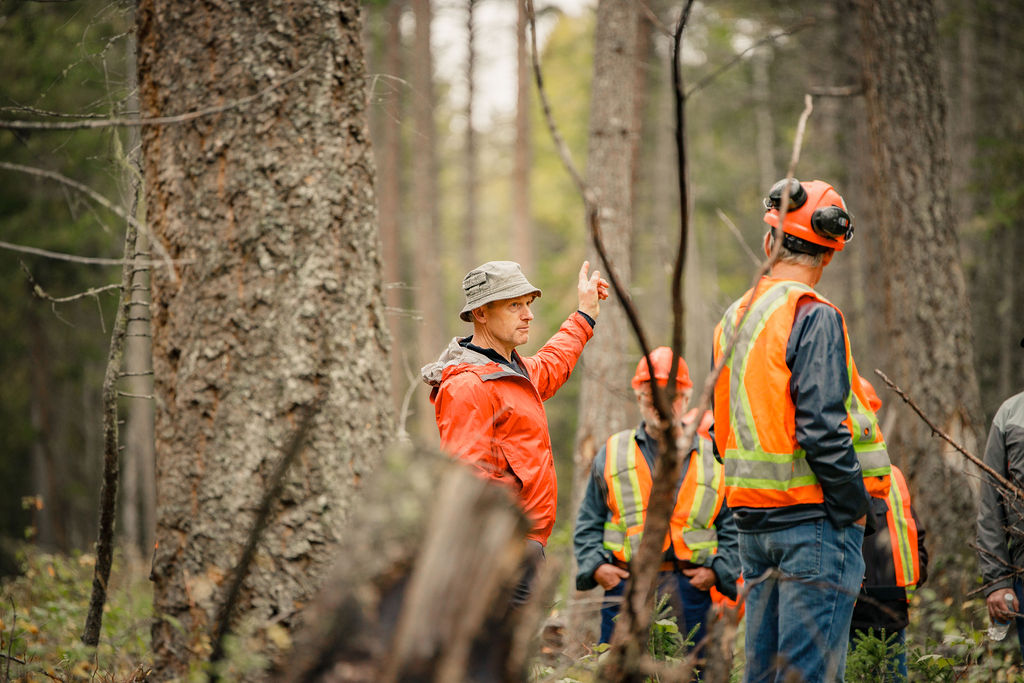
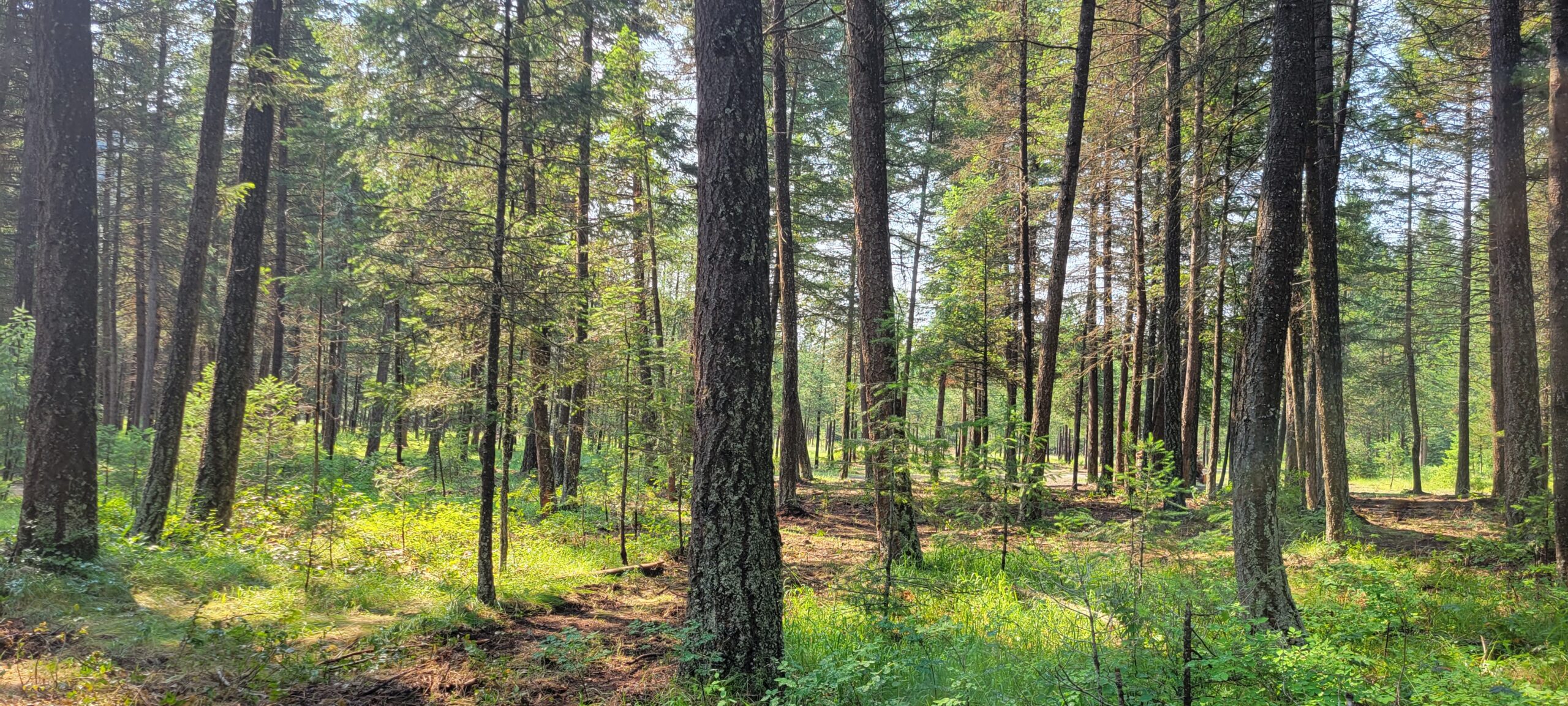
The field site visit to Woodlot 0411, nestled in the scenic Rock Creek area will showcase woodlot management for 40 years. It will feature informative speakers who will delve into the unique management practices employed on this tenure, highlighting its long history of sustainable harvesting and its innovative approach to integrating ecological values. Firsthand knowledge of how this woodlot, with its logging history dating back to the 1940s, has evolved under the BC Woodlot Program, demonstrating effective fuel mitigation through regular harvesting and prioritizing old tree attributes and wildlife habitat will be shared. This is a fantastic opportunity to witness practical examples of “Small Tenures, Big Connections” in action, showcasing how careful management can contribute to biodiversity, forest health, and wildlife conservation while sustaining local economies.
Following the field site visit we will head indoors to discuss and capture the thoughts generated from our walk and talks in the woods.
To make use of the expertise at the workshop, we will divide the delegates into 16 breakout groups. Each group will be given one of four topics including (i) Silviculture Systems; (ii) Public Use of Crown Woodlot Lands; (iii) Woodlot Future Goals; and (iv) Community/First Nations/Government Relations. Each group will view their topic through one of the four lenses: the Good, the Bad, the Ugly and the Alternative. Group participation will be encouraged by roaming moderators. Discussions on directed questions will lead to a few summary points to be presented to the entire conference audience.
During our reflections, and to paraphrase a famous historical saying: “Ask not what the forest can do for you but what you can do for the forest.”
Credit: Woodlots BC.
Credit: Woodlots BC.
Credit: Woodlots BC.